The Ultimate Setup for Patagonian Sea Trout
Felix Hansvencl

For us, Patagonia is more than a destination; it’s home. Having spent over 25 years operating Estancia Las Buitreras on the Río Gallegos, we’ve developed a deep understanding of what it takes to succeed here.
Every week during the 4 month season, we welcome anglers who have traveled across the globe to challenge the world’s largest, most aggressive sea-run brown trout. Often, they arrive with top-tier gear that—while impressive—isn’t suited for the specific demands of the Gallegos. This mismatch often leads to frustration: struggling to cast in the wind, failing to cover water, or losing a trophy fish mid-fight. With the overwhelming amount of tackle on the market, it’s easy to choose the wrong tool for the job. This guide cuts through the noise to focus on what actually works on this water.
Spey or Single-Hand: Finding the Right Balance
Keeping it simple.
Most anglers today fish Spey rods - and that’s a smart move. When you’re putting in 9–10 hour days for a full week, efficiency matters. Spey rods save energy, handle wind better, and simply make life on the river easier.
The key is not to overdo it.
A 9wt, 14 ft Spey rod might sound great in theory, but for southern Patagonian seatrout rivers, and the Rio Gallegos in particular, this is almost always too much rod. The length of the rod means it’s harder to handle in the strong wind, the power of the rod means it’s less forgiving when fighting fish with smaller flies, and since we strip flies all the way in close to our feet, a longer rod means you can’t fish the line as close as ideal on this river. All in all this is not an ideal trade off for potentially getting an extra meter or two out during certain conditions. Instead, they key for fishing this river is a lighter and shorter, balanced set up where the rod and line works in harmony: For us, after 25 years plus of fishing here, it comes down to this:
7wt, 12 ft Spey rod – your everyday and all conditions workhorse
8wt, 13 ft Spey rod – ideal for high water conditions, heavier tips, or when you need a bit more reach and lifting power.
We recommend bringing rods that have a medium, or medium fast action. What we don’t recommend are super fast rods with stiff tips as it requires too much to cast and also makes it hard to land fish when we use small flies. A softer, responsive tip is crucial.
Travel tip: Go for 6-piece spey rods that fit in your main luggage so you don’t need to worry about checking a separate rod tube, negating the risk of it disappearing along the way. Modern, multi piece rods are great and there is simply no need to go for a 3 or 4 piece spey rod these days.
Single-Handed Rods: A Versatile Alternative
If single-hand rods are your thing, keep it sharp and efficient.
A 7wt in 9'6" with medium-fast action is the sweet spot. The extra length helps with line control and mending, especially on wider rivers.
Avoid soft, slow rods, and the super fast rods. Soft rods feel great on calm days - but Patagonia is rarely calm. You need a rod that can punch into the wind when it matters. With that said, there are plenty of times where you want to roll cast or simply lift and cast without having to false cast to load up the rod. Therefore a super fast rod is not ideal as they are near impossible to roll cast and they simply mean you have to do most of the work yourself rather than having a nice bend that loads and releases your line.
The Go-To Setups (Day In, Day Out)
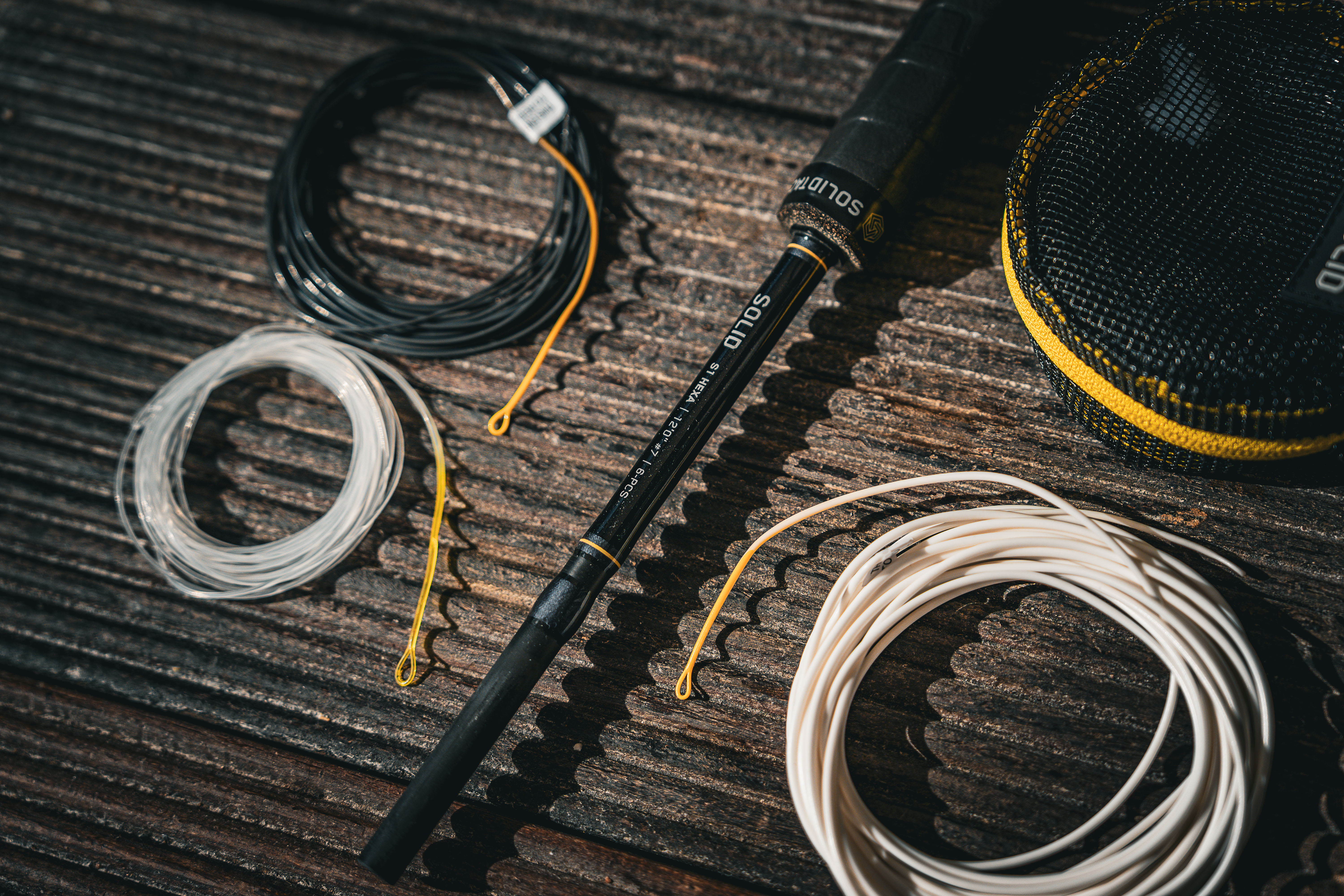
SOLID S1 7wt 12 ft 6-piece Spey rod (7120-6) – The Daily Driver
If we had to fish one rod all season and one that defines seatrout fishing on the Río Gallegos, this would be it.
Light, responsive, and surprisingly powerful - it handles everything from delicate presentations to hard-fighting fish. The 12 ft length is perfect in the wind, giving you control without fatigue.
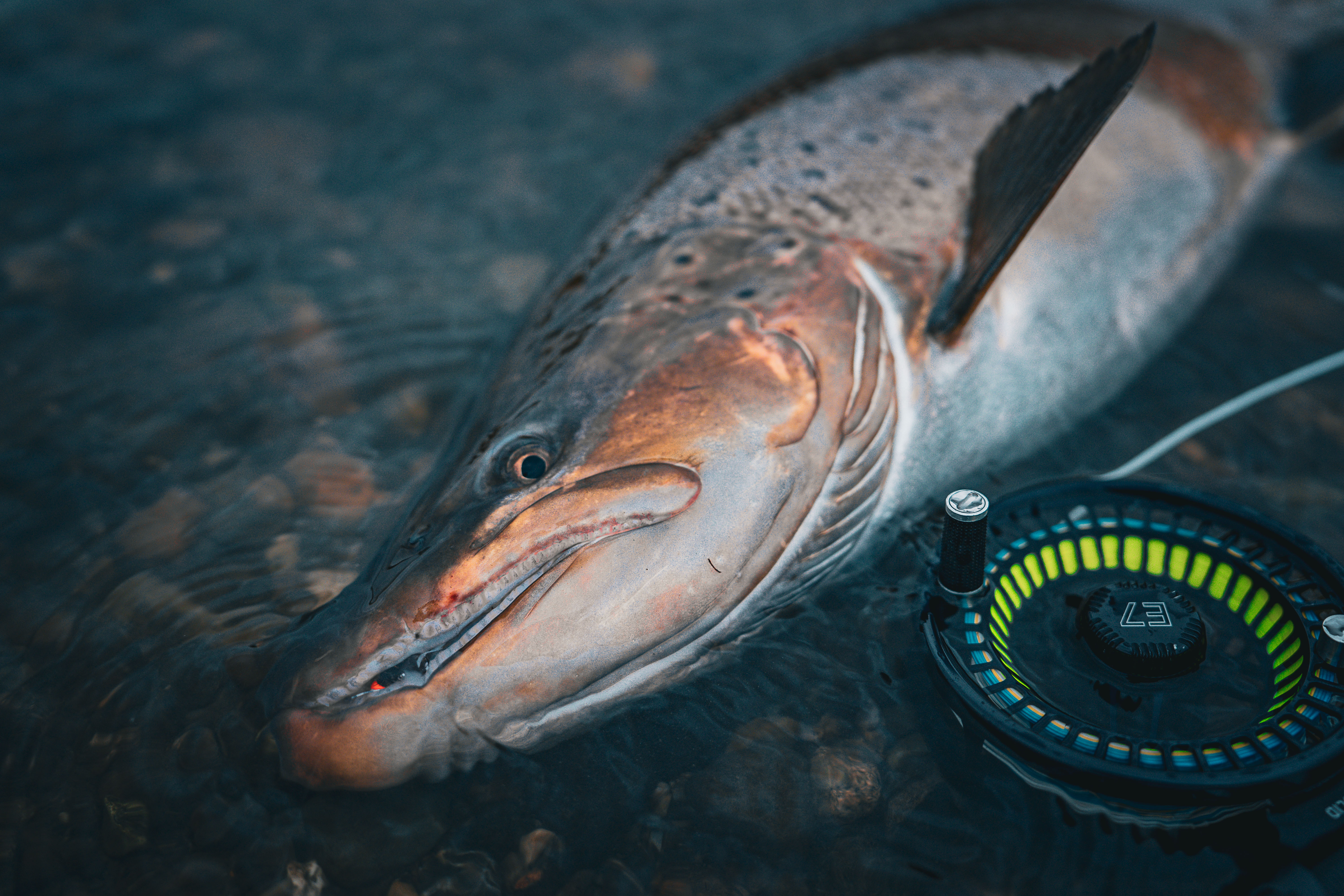
Paired with a reliable reel like the Solid E7, you get a setup that just works—hour after hour, fish after fish.
And trust us: down here, having a smooth, reliable drag matters. Seatrout doesn't play nice and if you have a jerky drag your odds of landing the fish diminished fast..
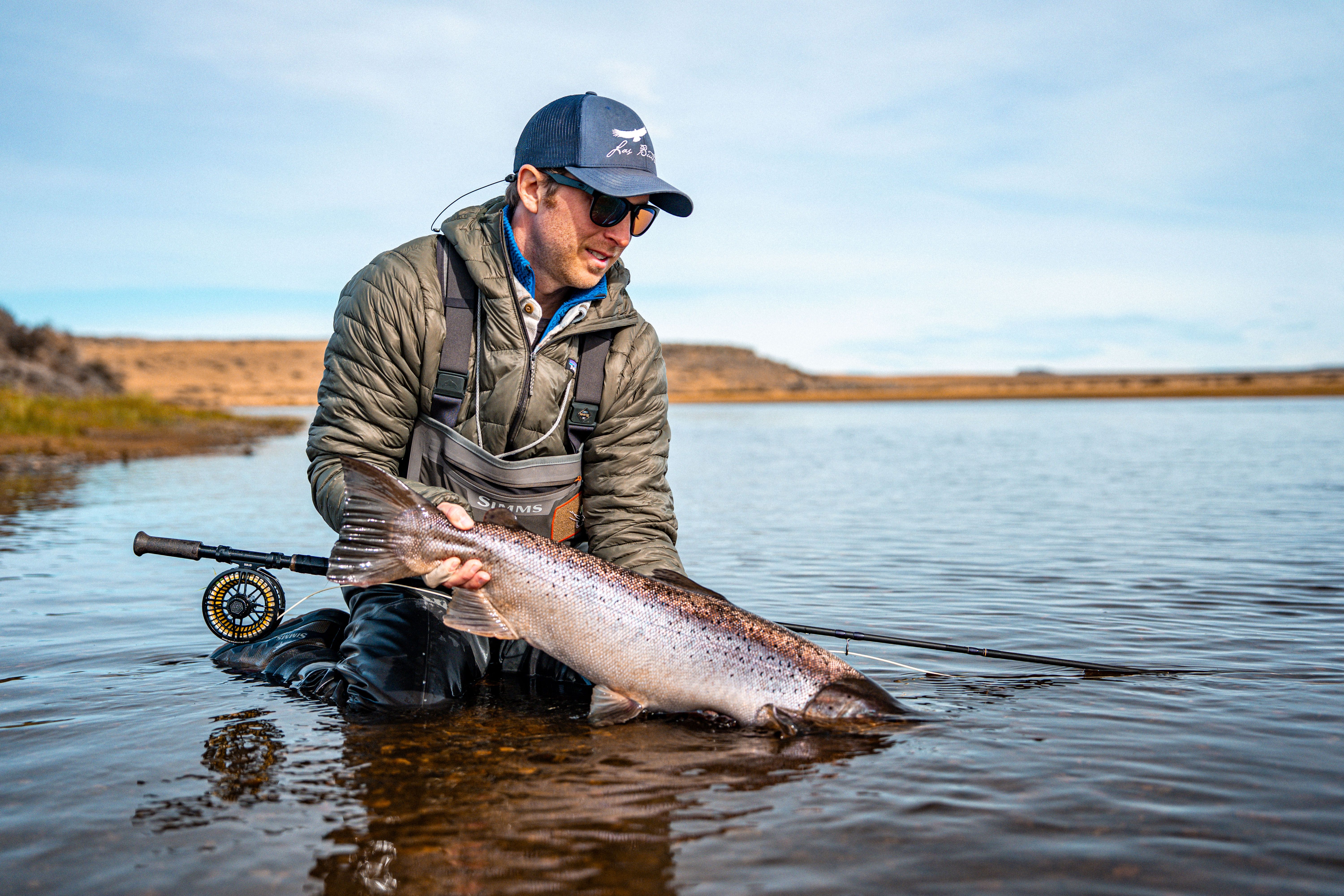
S1 8wt 13 ft 6-piece Spey rod (8130-6) – When You Need More
This rod comes into its own when things get a bit more demanding.
During high water or flood situations with more water to cover, when heavier tips and bigger flies are being used, this rod gives you that little extra without feeling excessive.
It’s also a great all-rounder if you want one rod that can cross over into other salmon fisheries.
Matched with the Solid E9 reel, it balances perfectly and gives you the confidence to push your setup further.
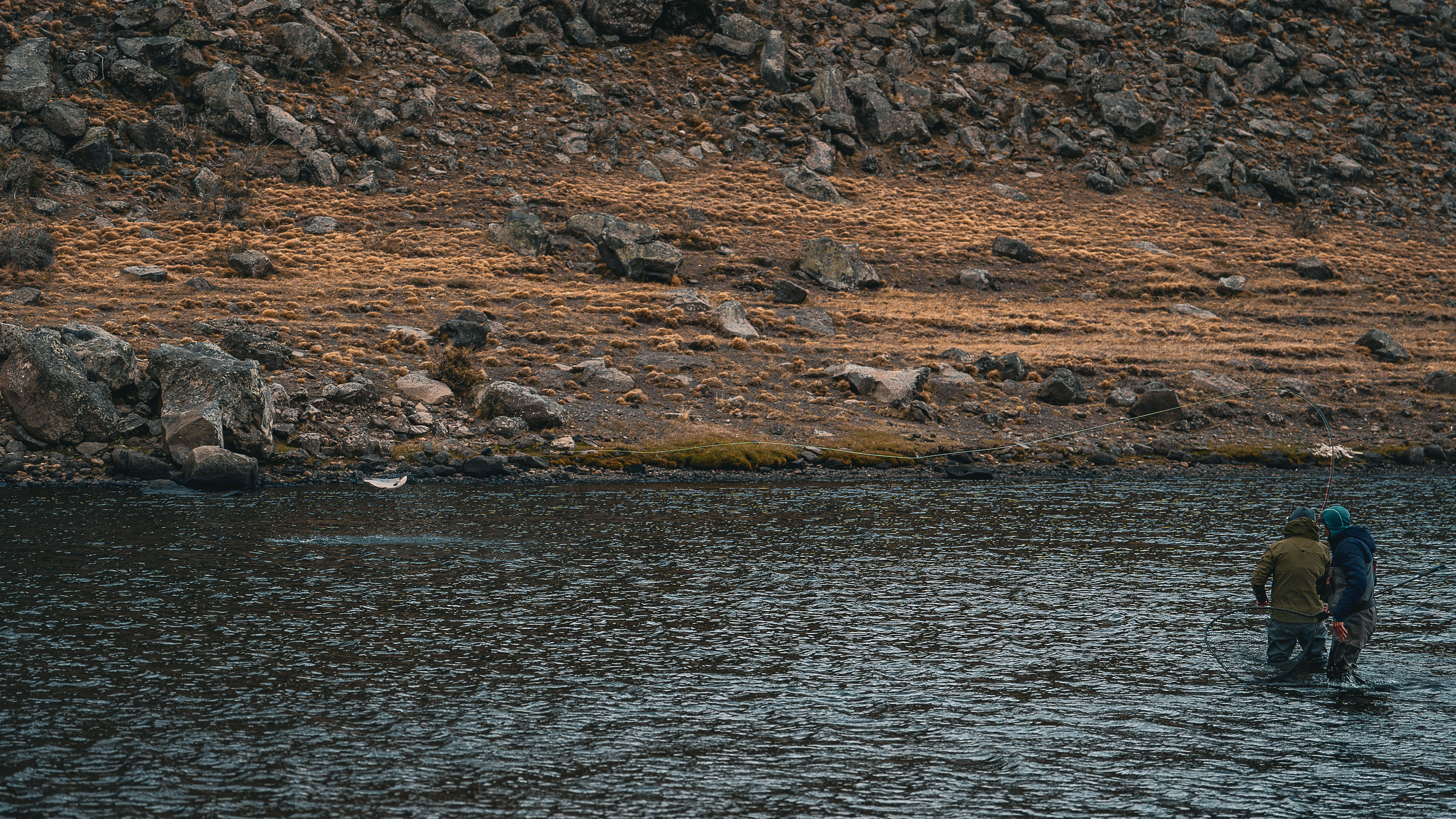
Why Two Spey Rods Make Sense
A lot of anglers bring both rods and rig them differently.
Floating line and a surface fly for the evening
Sink tip and subsurface fly for daytime
No switching, no wasted time - just adapting as conditions change.
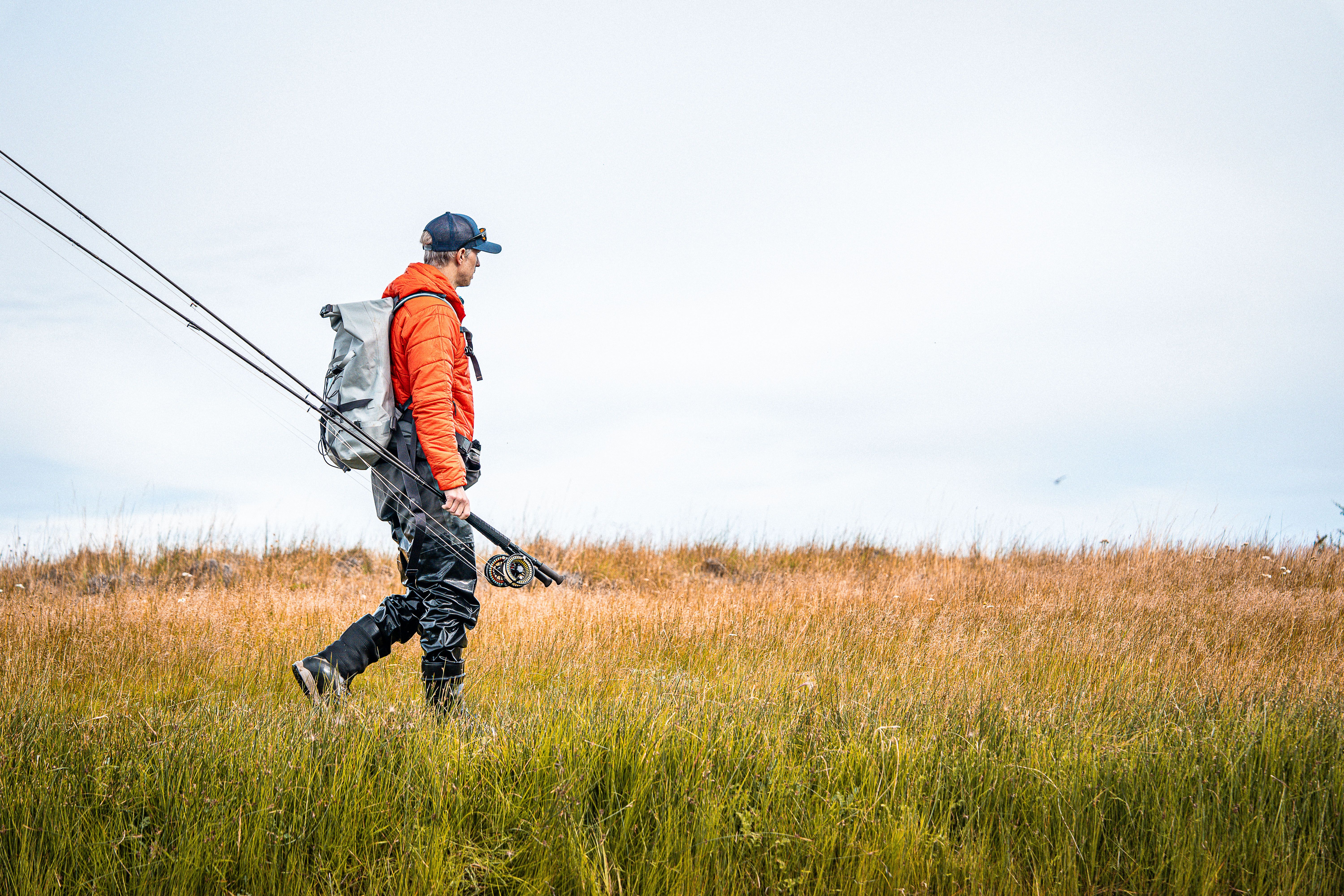
Single-Hand Option: Light and Effective
S1 7wt 9'6" 5-piece (796-5) – Single-Hand Power
This rod is perfect for anglers who prefer single-hand casting or want a different feel on the water. It’s light in hand, responsive, and still packs enough punch to handle the Patagonian wind.
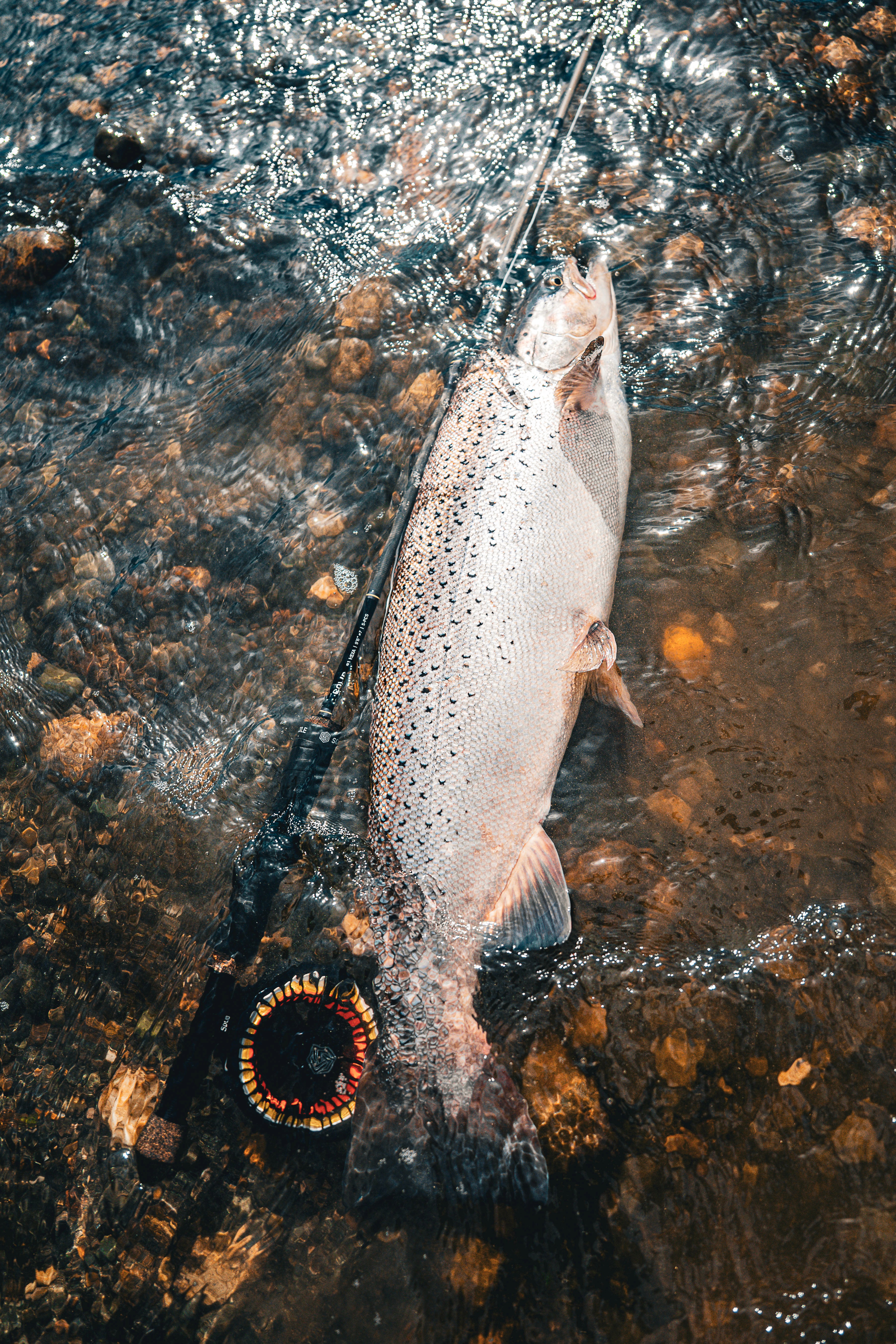
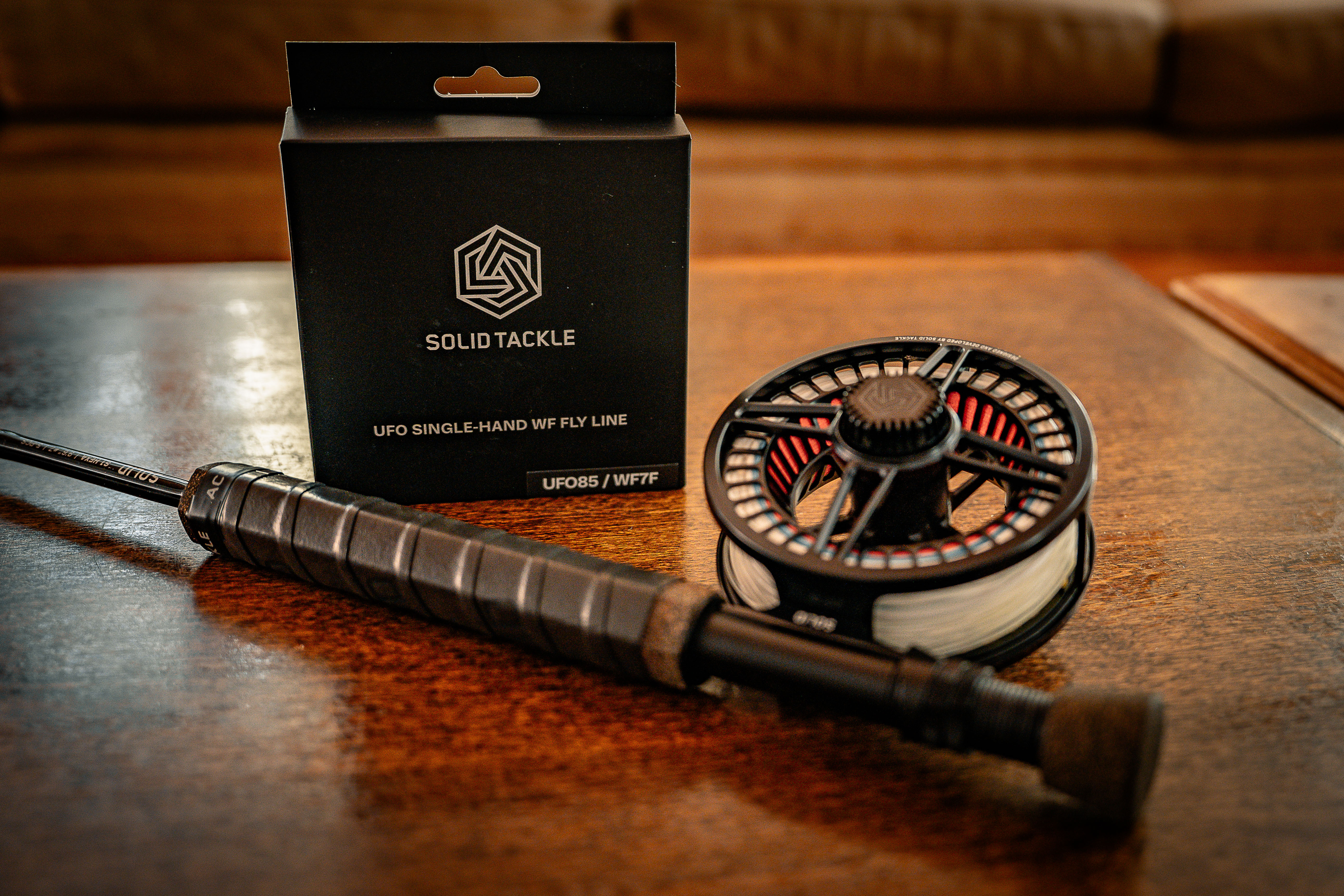
Paired with the Solid E7 reel and the UFO fly line, it casts easily into the wind, mends well, and is enjoyable to fish all day. Whether you’re covering a lot of water or just switching up your style, this rod is a serious option—not just a backup.
Perfect for targeting that 20 lb fish when everything lines up.
Fly Lines: Keep it simple
Choosing the right line is just as important as the rod. The goal: a line that feels easy and intuitive to cast.
You don’t want to spend Day 1 figuring things out mid-river.
For Spey Rods
Short, powerful Scandi heads make casting easier, especially in wind, while still allowing for controlled presentation. On the Río Gallegos, we lean toward Scandi-style heads as the river is shallow and often very clear, so presentation matters. On rivers like the Río Grande, Skagit heads help when heavier tips and larger flies are needed.
Our top choices include:
Solid SHS Shooting Head System – designed specifically with the Rio Gallegos fishery in mind, color-coded for each Solid rod for easy matching, includes 4 tips (floating, clear intermediate, sink 3, sink 5) for fast and super easy adjustments based on the pool and conditions, and very easy to cast. Attach a 12-15 ft. tapered leader and you are ready to go. No versi leaders, poly leaders or anything else needed. Keep it simple.
RIO Scandi Launch or RIO Scandi MDC-Kit are good options.
All lines mentioned above allow for quick adaptation to changing conditions and make casting effortless, even in wind.
Single-Hand Lines
A short-to-medium belly fly line with a powerful taper works best. We recommend:
Solid UFO – the ideal floating line for most of the fishing on the Gallegos. Easy to cast both overhead and roll casts, quick to load, precise and soft presentations, and powerful enough for distance or windy conditions.
SA Integrated Volantis, SA Titan or RIO Outbound Short - good alternatives, especially if you need a hoover or sink line.
These lines offer excellent control for dry flies, nymphs, or streamers while keeping false casts to a minimum.
Final Thoughts
Patagonia can be demanding, both in terms of weather and the strength of the fish. Having well-balanced, reliable equipment makes a big difference—not just in performance, but in how much you’ll enjoy your time on the water.
The setups recommended are based on years of experience in these exact conditions. Simple and efficient to make sure you can focus on fishing and having a great time.